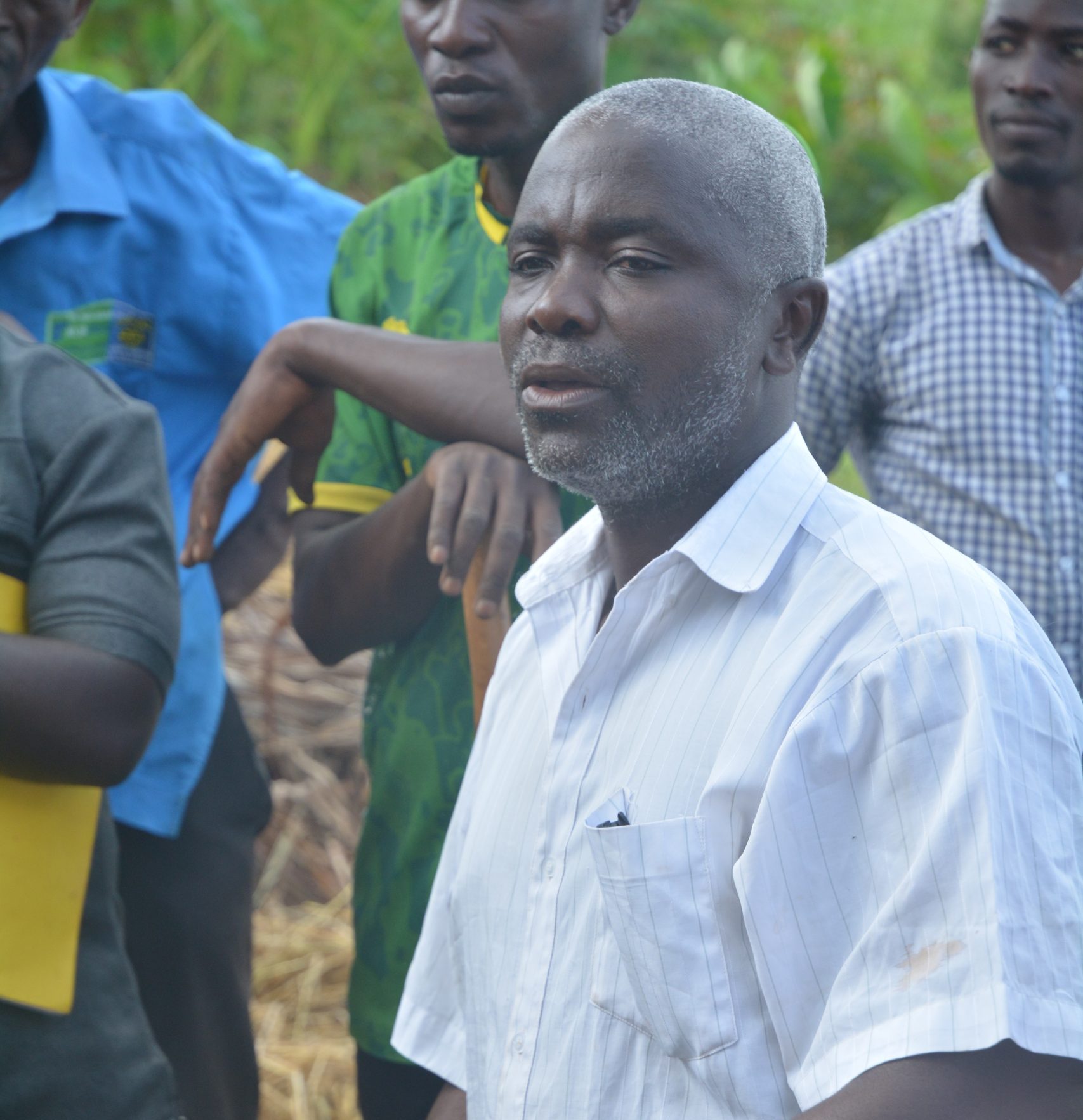
Adolphe SAHINGUVU, a farmer from Mugara Village, was heavily reliant on chemical fertilizers to sustain his crops. When he attended biochar training, he discovered an affordable, eco-friendly alternative. Adolphe shared, “Before this training, I never realized how much biochar could improve my soil and reduce my costs. Now, I’m applying what I’ve learned to help my family and inspire my community.” Today, Adolphe is a proud advocate of biochar and has already started using it to improve his crop yields while protecting the environment.

Regis TUYISHEMEZE struggled with poor soil quality, which limited his farming potential. During the training, he learned how biochar improves water retention and nutrient availability. Regis shared, “My crops are healthier than ever before. Biochar has not only transformed my farming but also my perspective on sustainable agriculture.” Inspired by his success, Regis is now encouraging his neighbors to adopt biochar and join him in building a sustainable future.