
At BioAmak, sustainability is at the heart of everything we do. From sourcing raw materials to producing and applying biochar, we are committed to minimizing environmental impact and promoting sustainable agricultural practices. By integrating biochar technology into farming systems, we enhance soil fertility, contribute to climate resilience, and provide cost-effective, nature-based solutions tailored to the needs of Burundian smallholder farmers.
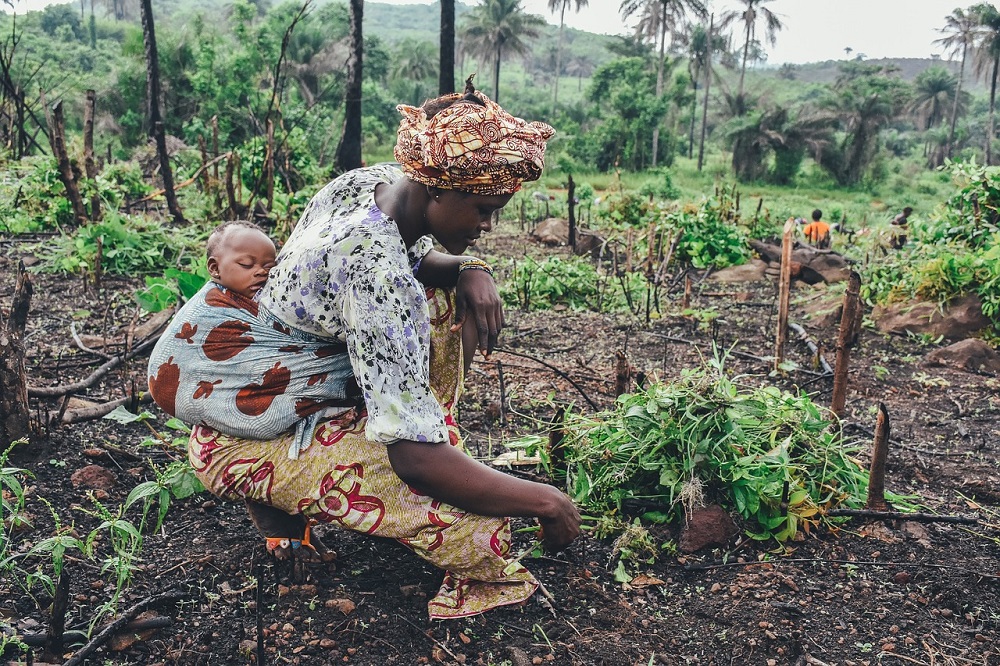
Our Sustainable Practices
We source biomass such as rice husks, bean residues, and other agricultural waste directly from local farmers. This approach reduces agricultural waste, improves soil health, and supports local economies.
We are actively developing EcoFlourish, an eco-friendly biochar-based alternative to chemical fertilizers. Through rigorous testing and farmer collaboration, we aim to create a high-impact, sustainable soil amendment.
We utilize manual biochar production methods that ensure effective carbon retention while minimizing emissions. Our goal is to refine these techniques further for increased efficiency and accessibility.
Biochar, when combined with manure and compost, improves soil structure, boosts microbial activity, and enhances water retention—critical for resilience in changing climates.
Biochar locks carbon in the soil for centuries, effectively removing carbon dioxide from the atmosphere and mitigating climate change.
BioAmak explores emerging solutions like effective microorganisms (EM) in co-composting with biochar to further optimize soil health and increase agricultural productivity.
Alignment with Sustainable Development Goals
Our work directly supports the following Sustainable Development Goals:
By improving soil fertility and increasing crop yields, biochar helps strengthen food security and reduce hunger in farming communities.
Biochar plays a key role in climate mitigation by sequestering carbon and reducing greenhouse gas emissions from agriculture.
Sustainable land use and improved soil management contribute to healthier ecosystems, preventing land degradation and promoting biodiversity.